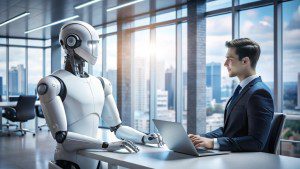
Building a Skills-First Organization: Continuous Learning, Reskilling, and Internal Mobility
Stay updated with us
Sign up for our newsletter

The pace of change in today’s workplace has made one reality unavoidable: skills have a shorter shelf life than ever before. Technologies evolve rapidly, roles transform continuously, and business priorities shift with increasing frequency. In this environment, organisations can no longer rely on static talent models or traditional career paths.
Instead, a new approach is emerging, one that integrates continuous learning, reskilling, and internal mobility into a unified workforce strategy. This model moves beyond episodic training or reactive hiring and focuses on building a dynamic, adaptable workforce that can evolve alongside business needs.
The Shift from Jobs to Skills
Historically, organisations have managed talent through job roles and hierarchical career paths. Employees were hired for specific roles, trained periodically, and evaluated based on predefined expectations.
However, this model is increasingly misaligned with modern work environments.
Today, work is defined less by fixed roles and more by fluid skill requirements. Projects demand cross-functional capabilities, and employees are expected to adapt to new tools and responsibilities regularly.
This has led to the rise of skills-first organisations, where talent decisions are based on capabilities rather than job titles. Continuous learning, reskilling, and internal mobility are the foundational pillars of this shift.
Continuous Learning as a Strategic Imperative
Continuous learning is no longer optional. It is a core requirement for both individual and organisational success.
Modern learning ecosystems are evolving beyond traditional training programs. Instead of one-time courses, organisations are investing in:
- On-demand learning platforms
- Microlearning modules
- AI-driven personalised learning paths
- Peer-to-peer knowledge sharing
- Experiential and project-based learning
These approaches enable employees to acquire new skills in real time, aligned with their roles and career aspirations.
Also Read: Rethinking Productivity: How HRTech Is Redefining Performance in AI-Augmented Organizations
Reskilling: Preparing for Role Transformation
While continuous learning focuses on incremental skill development, reskilling addresses more significant shifts in job requirements.
As automation and AI reshape work, certain roles are evolving or becoming obsolete. Rather than relying solely on external hiring, organisations are increasingly investing in reskilling initiatives to transition employees into new roles.
Effective reskilling strategies involve:
- Identifying future skill requirements through workforce planning
- Assessing current employee capabilities
- Designing targeted learning pathways for role transitions
- Providing mentorship and practical experience
Internal Mobility: Unlocking Hidden Talent
One of the most underutilised assets in many organisations is internal talent.
Employees often possess skills and potential that are not fully visible within traditional HR systems. As a result, organisations may overlook internal candidates for new roles, leading to unnecessary external hiring.
Internal mobility addresses this challenge by enabling employees to move across roles, projects, and departments based on their skills and interests.
Modern HRTech platforms support internal mobility through:
- Skills mapping and talent marketplaces
- AI-driven role recommendations
- Transparent career pathways
- Integration with performance and learning data
When internal mobility is effectively implemented, organisations can:
- Fill roles more quickly
- Improve employee retention
- Enhance workforce agility
Employees, in turn, gain greater visibility into career opportunities and feel more engaged in their professional growth.
Also Read: Hyperautomation 2.0: From Task Automation to Intelligent Enterprise Orchestration
The Role of HR Technology
HR technology is a critical enabler of continuous learning, reskilling, and internal mobility.
Advanced platforms integrate data from multiple sources to create a comprehensive view of workforce capabilities. These systems can:
- Map skills across the organisation
- Identify gaps between current capabilities and future needs
- Recommend personalised learning and career paths
- Match employees with internal opportunities
Artificial intelligence further enhances these capabilities by analysing patterns and predicting workforce trends.
Aligning Learning with Business Strategy
For these initiatives to be effective, they must be closely aligned with organisational strategy.
This requires HR leaders to collaborate with business units to:
- Understand future skill requirements
- Prioritise critical capabilities
- Design learning and mobility programs that support strategic goals
Without this alignment, learning initiatives risk becoming disconnected from business needs.
Cultural and Leadership Considerations
Implementing continuous learning and internal mobility requires more than technology. It demands a cultural shift.
Organisations must foster an environment where:
- Learning is encouraged and supported
- Career paths are flexible rather than linear
- Managers promote internal opportunities rather than retaining talent within teams
- Employees feel empowered to explore new roles
Measuring Impact
To evaluate the effectiveness of continuous learning and internal mobility initiatives, organisations should track key metrics such as:
- Learning engagement and completion rates
- Skill development progression
- Internal hiring rates
- Time-to-fill for internal roles
- Employee retention and satisfaction
Challenges to Address
Despite their benefits, these initiatives present several challenges.
- Skills visibility
Accurately mapping skills across the workforce can be complex. - Data integration
Combining data from multiple systems requires robust infrastructure. - Resistance to change
Managers and employees may be hesitant to adopt new models. - Balancing short-term performance with long-term development
Organisations must ensure that learning initiatives do not disrupt operational priorities.
The Future of Workforce Development
The integration of continuous learning, reskilling, and internal mobility is shaping the future of workforce development.
Emerging trends include:
- AI-driven talent marketplaces
- Real-time skills analytics
- Personalised career journeys
- Increased emphasis on lifelong learning
These developments will further enable organisations to build agile and resilient workforces.