Why HCM Platforms Are Becoming the Operating System for the Modern Workforce
Stay updated with us
Sign up for our newsletter

For years, Human Capital Management (HCM) platforms were viewed primarily as systems of record. Their role was largely administrative, managing employee data, payroll, benefits, attendance, and compliance requirements.
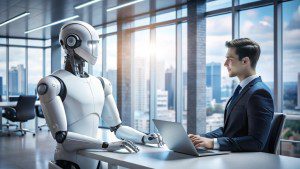
As organizations navigate AI adoption, skills shortages, workforce mobility, hybrid work, and increasing employee expectations, HCM platforms are evolving from transactional systems into strategic workforce infrastructure. They are no longer simply repositories of employee information; they are becoming the operating systems that connect talent, skills, performance, learning, workforce planning, and business strategy.
This transformation is reshaping how HR leaders think about workforce management and why HCM platforms are becoming one of the most important investments in modern HR technology.
The Evolution of HCM Platforms
The first generation of HCM systems focused on process efficiency.
Organizations primarily used these platforms to:
- Manage employee records
- Process payroll
- Track attendance
- Maintain compliance documentation
- Administer benefits
Success was measured by operational accuracy and administrative efficiency.
However, workforce management has become significantly more complex.
Organizations now require visibility into:
- Workforce capabilities
- Skills inventories
- Employee engagement
- Internal mobility
- Learning effectiveness
- Future workforce readiness
As a result, HCM platforms are evolving beyond administrative workflows toward workforce intelligence ecosystems.
Why Workforce Complexity Is Driving Change
Several trends are accelerating the transformation of HCM technology.
AI-Powered Work
Artificial intelligence is changing how work is performed across departments.
Organizations need systems capable of tracking evolving skills, supporting workforce adaptation, and helping employees navigate AI-enabled roles.
Skills-Based Talent Strategies
Job titles are becoming less useful indicators of workforce capability.
Organizations increasingly want visibility into what employees can do rather than simply where they sit in the organizational chart.
Hybrid and Distributed Workforces
Managing employees across multiple locations requires greater workforce visibility, collaboration insights, and performance transparency.
Continuous Workforce Transformation
Business models, technologies, and customer expectations now evolve faster than traditional workforce planning cycles.
HCM platforms are becoming essential tools for managing this complexity.
The Shift from Systems of Record to Systems of Intelligence
One of the most important changes in modern HCM platforms is the move from storing information to generating actionable insights.
Historically, HR teams used HCM systems to answer questions such as:
- How many employees do we have?
- What is our turnover rate?
- When are performance reviews due?
Today, leaders are asking more strategic questions:
- Which skills will we need next year?
- Which employees are ready for leadership roles?
- Where are retention risks emerging?
- Which teams are experiencing capability gaps?
Why Skills Intelligence Is Becoming Central
Skills intelligence is emerging as one of the most valuable capabilities within modern HCM platforms.
Organizations are recognizing that workforce agility depends on understanding skills in real time.
Advanced HCM systems can help organizations:
- Map existing workforce capabilities
- Identify future skill shortages
- Recommend learning opportunities
- Support internal mobility
- Improve workforce planning
Rather than relying on static job descriptions, organizations can build dynamic views of workforce readiness.
This capability is becoming particularly important as AI reshapes job requirements across industries.
Internal Mobility Is Changing the Role of HCM
Recruiting external talent has become increasingly expensive and competitive.
As a result, many organizations are focusing on unlocking talent already within the business.
Modern HCM platforms are supporting this shift through:
- Internal talent marketplaces
- Career path recommendations
- Skills matching engines
- Succession planning tools
- Workforce mobility analytics
These capabilities help organizations identify employees who can transition into emerging roles, reducing reliance on external hiring.
For employees, this creates greater visibility into growth opportunities and career development pathways.
AI Is Transforming the HCM Experience
Artificial intelligence is becoming deeply embedded within HCM ecosystems.
AI-powered capabilities now include:
- Workforce forecasting
- Predictive retention analysis
- Personalized learning recommendations
- Automated talent matching
- Employee experience insights
- Workforce planning simulations
Instead of simply presenting data, HCM platforms increasingly provide recommendations and predictive guidance.
This helps HR leaders move from reactive workforce management to proactive workforce strategy.
Employee Experience Is Becoming a Core Priority
Modern employees expect workplace technology to deliver experiences comparable to consumer applications.
They want systems that are:
- Intuitive
- Personalized
- Mobile-friendly
- Accessible
- Responsive
As a result, HCM platforms are expanding beyond HR administration to support broader employee experience initiatives.
Employees increasingly use HCM platforms to:
- Access learning resources
- Explore career opportunities
- Manage benefits
- Set goals
- Receive feedback
- Navigate internal mobility
This shift is transforming HCM from an HR system into a workforce engagement platform.
The Integration Challenge
Despite technological advancements, many organizations continue to struggle with fragmented HR technology environments.
Separate systems often exist for:
- Payroll
- Recruitment
- Learning
- Performance management
- Workforce analytics
This fragmentation creates:
- Data silos
- Inconsistent reporting
- Poor employee experiences
- Limited workforce visibility
One reason organizations are investing in modern HCM platforms is the desire to consolidate workforce data into a unified ecosystem.
Platform consolidation is becoming a major priority for HR leaders seeking greater workforce intelligence.
What the Future of HCM Looks Like
The next generation of HCM platforms will likely become even more intelligent, predictive, and skills-focused.
Future capabilities may include:
- AI-generated workforce planning scenarios
- Dynamic skills passports
- Real-time workforce readiness assessments
- Personalized career coaching
- Predictive succession planning
- Workforce digital twins
Rather than managing employees as static records, organizations will increasingly manage workforce capabilities as living, evolving assets.
This represents a fundamental shift in how talent is understood and developed.