Why Ethical Firewalls Are Critical for AI-Driven HR Decision-Making
Stay updated with us
Sign up for our newsletter

Artificial intelligence is rapidly becoming embedded across HR functions, from resume screening and skills matching to performance analytics and workforce planning. While AI brings speed, scalability, and efficiency, it also introduces a critical challenge for HR leaders: how to ensure AI-driven HR decisions remain fair, transparent, and ethical.
As organizations increasingly rely on algorithms to influence hiring, promotions, compensation insights, and workforce decisions, the risks of bias, opacity, and regulatory exposure grow. For HRTech decision makers, the conversation has shifted from whether to use AI to how to govern it responsibly.
This is where ethical firewalls for AI-driven HR decisions become essential. These firewalls are not technical barriers alone, they are structured governance frameworks that protect people, organizations, and trust.
Why Ethics in AI-Driven HR Decisions Cannot Be Optional
HR decisions directly affect careers, livelihoods, and organizational culture. When AI systems influence such decisions without adequate oversight, several risks emerge:
- Algorithmic bias affecting hiring or promotion outcomes
- Lack of transparency in decision-making logic
- Regulatory non-compliance across regions
- Loss of employee trust
- Legal and reputational exposure
Unlike other enterprise functions, HR operates at the intersection of technology, people, and ethics. Even small inconsistencies in AI decisioning can scale rapidly across thousands of employees.
As global regulations around AI governance continue to evolve, ethical AI in HR is no longer a best practice, it is a business necessity.
What Are Ethical Firewalls in HR AI Systems?
An ethical firewall is a set of controls, governance mechanisms, and accountability layers designed to ensure AI systems used in HR operate within defined ethical, legal, and human boundaries.
These firewalls act as safeguards between:
- AI recommendations and final HR decisions
- Data inputs and model outcomes
- Automation and human judgment
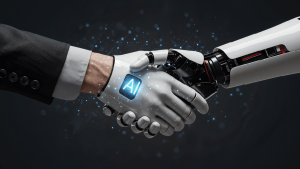
They ensure that AI supports HR decision-making—but never replaces accountability.
Key Areas Where Ethical Firewalls Are Critical
1. AI-Based Hiring and Talent Screening
AI tools increasingly screen resumes, rank candidates, and predict job fit. Without safeguards, these systems may unintentionally reinforce historical bias present in training data.
Also Read: Ethical AI in Workforce Management: A Strategic Imperative for HRTech Leaders
Ethical firewalls here include:
- Regular bias audits of hiring algorithms
- Diverse training datasets
- Explainable scoring logic
- Human validation before final decisions
2. Performance and Productivity Analytics
AI-powered performance insights can help identify high performers, but they can also oversimplify complex human behaviors.
Ethical risks include:
- Penalizing employees with non-linear work patterns
- Misinterpreting remote or flexible work behaviors
- Over-surveillance concerns
Ethical firewalls ensure performance data is contextual, transparent, and not used punitively without human review
3. Promotion, Compensation, and Talent Mobility Decisions
When AI supports promotion or pay insights, transparency becomes critical. Employees must understand how recommendations are generated and what factors are considered.
Ethical firewalls require:
- Clear documentation of decision criteria
- Audit trails for every AI-generated recommendation
- HR ownership of final approvals
Core Components of an Ethical Firewall Framework
1. Human-in-the-Loop Governance
AI should inform, not decide. Ethical HR systems enforce human-in-the-loop models, where final accountability always rests with HR leaders or managers.
This ensures:
- Contextual judgment remains intact
- Exceptions are handled fairly
- Responsibility is never outsourced to algorithms
2. Explainable and Transparent AI Models
Black-box algorithms undermine trust. Ethical firewalls require AI systems to provide interpretable explanations for recommendations.
This supports:
- Regulatory compliance
- Internal audits
- Employee transparency
Explainability is especially important for global organizations operating under evolving AI regulations.
3. Bias Detection and Continuous Auditing
Ethical firewalls rely on continuous monitoring, not one-time validation. AI models must be tested regularly for disparate impact across:
- Gender
- Age groups
- Geographies
- Employment types
Bias detection mechanisms help identify and correct drift before harm occurs.
4. Data Privacy and Consent Management
AI-driven HR systems depend on large volumes of personal data. Ethical firewalls ensure:
- Data minimization principles
- Consent-based data usage
- Regional data residency compliance
- Secure access controls
This is particularly important for organizations operating across regions with strict data protection laws.
5. Clear Ownership and Accountability Structures
Catch more HRTech Pulse Insights: Which HR Technology Trends Redefining the Workplace in 2026
Every AI system must have defined ownership. Ethical firewalls establish:
- AI governance committees
- Model owners and reviewers
- Escalation paths for disputes
Without accountability, ethical frameworks remain theoretical.
The Role of HRTech Leaders in Ethical AI Adoption
Ethical AI is not only a technical issue, it is a leadership responsibility.
CHROs, CIOs, and HRTech buyers must collaborate to:
- Define ethical principles for AI usage
- Select vendors aligned with responsible AI practices
- Train HR teams to interpret AI outputs responsibly
- Communicate transparently with employees
Organizations that embed ethics early build trust—and avoid costly corrections later.
Global Considerations: Ethics Across Regions
Ethical expectations and regulations vary globally. AI systems must adapt to:
- EU AI governance frameworks
- Regional labor regulations
- Cultural expectations around surveillance and fairness
Ethical firewalls must therefore be flexible, region-aware, and continuously updated.
Business Value of Ethical AI in HR
Implementing ethical firewalls is not just about risk mitigation—it delivers strategic benefits:
- Stronger employee trust and engagement
- Reduced legal and reputational exposure
- Greater adoption of AI tools internally
- More credible, defensible HR decisions
Trust accelerates transformation. Without it, AI adoption stalls.
Ethics Is the Foundation of Scalable HR AI
The future of HRTech lies in ethical-by-design AI systems, where fairness, transparency, and accountability are embedded from the outset, not added later.
As AI becomes deeply integrated into workforce decision-making, ethical firewalls will evolve into standard operating frameworks for responsible HR innovation.
AI will continue to reshape HR, but only organizations that prioritize ethics will scale it sustainably. Ethical firewalls for AI-driven HR decisions protect employees, strengthen governance, and preserve trust in automation.
For HRTech decision makers, responsible AI is not a constraint—it is a strategic enabler of long-term value.
In the future of work, trust will be the most important algorithm of all.