Skill Intelligence in HRTech: Redefining the Future of Workforce Development
Stay updated with us
Sign up for our newsletter
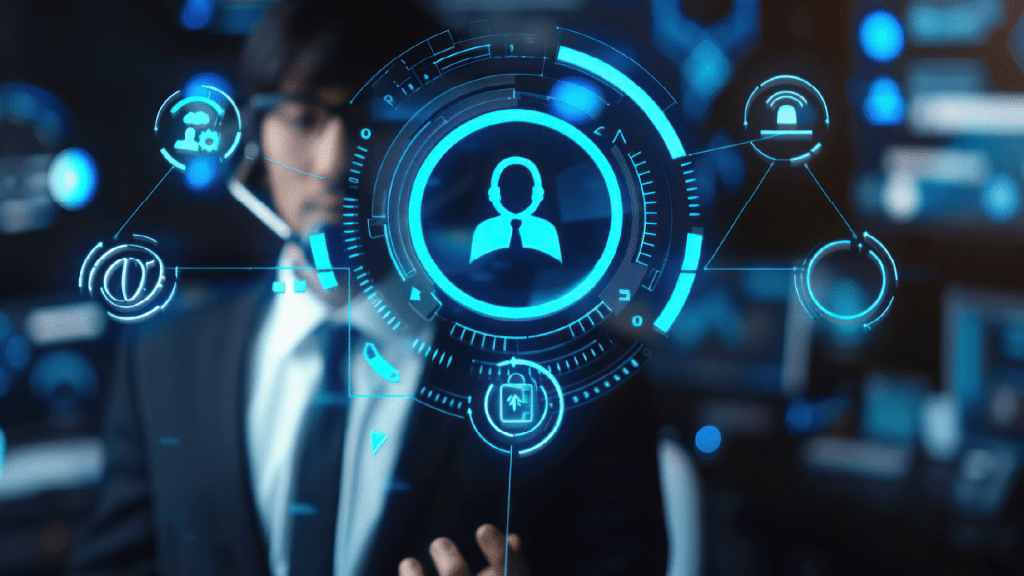
Explore how AI-driven Skill Intelligence helps HR leaders map workforce skills, close talent gaps, and drive smarter workforce development.
In today’s fast-evolving world of work, skills have become the new currency. As organizations race to stay ahead of change, the question is no longer “What roles do we need?” but “What skills do we have — and what skills do we need next?”
That’s where Skill Intelligence comes in — an emerging force in the HRTech ecosystem that’s transforming how companies understand, measure, and develop talent. Powered by AI, analytics, and automation, skill intelligence enables HR leaders to make data-driven decisions about workforce readiness, internal mobility, and learning investments.
What Is Skill Intelligence?
Skill Intelligence refers to the ability of organizations to collect, analyze, and act on skill-related data across their workforce. It combines AI, machine learning, and predictive analytics to provide a unified view of employee capabilities, gaps, and potential.
Read More: Why Every Modern Hiring Team Needs a Recruiter Voice Agent
Think of it as the “brain” behind modern HRTech systems — continuously learning from employee data, performance metrics, and external labor trends to give leaders real-time insights into workforce competencies.
Unlike traditional skills mapping, which often relies on static job descriptions or manual inputs, Skill Intelligence platforms use dynamic data sources such as:
- Employee resumes and internal profiles
- Performance evaluations and learning records
- AI-driven skill inferences from projects, communications, and achievements
- Market data on emerging skills and job trends
The result? A living, breathing skills ecosystem that evolves with the organization — helping HR teams make smarter decisions about hiring, training, and retention.
Why Skill Intelligence Matters in HRTech
Over the past decade, the HRTech landscape has rapidly shifted from process automation to intelligence-driven systems. Early HR software helped companies digitize payroll, benefits, and recruiting. The next wave — driven by AI — is helping them predict talent needs and personalize employee experiences.
Skill intelligence sits at the center of this evolution. It bridges the gap between HR data and business strategy, empowering organizations to:
- Identify future-ready talent
- Optimize learning and development (L&D) programs
- Enable internal mobility and reskilling
- Reduce hiring bias through data-driven insights
In an era where skills become obsolete faster than ever, companies that invest in real-time skill visibility gain a competitive edge. According to Deloitte, 77% of business leaders say reskilling is critical, yet only 10% feel they can effectively identify skill gaps. Skill intelligence directly addresses this gap.
How AI Powers Skill Intelligence
Artificial Intelligence lies at the heart of skill intelligence systems. By leveraging natural language processing (NLP) and machine learning algorithms, AI can:
- Extract and classify skills from unstructured data (like resumes or performance reviews).
- Predict emerging skill trends based on industry data and market signals.
- Recommend personalized learning paths aligned to business needs.
- Match talent to opportunities, ensuring the right people are in the right roles.
For example, if an employee shows growing proficiency in data visualization or automation tools, an AI-driven platform can automatically suggest relevant training or internal projects that align with those skills. Over time, this builds a skills-first culture, where employees are empowered to upskill continuously, and organizations can deploy talent more strategically.
Skill Intelligence in Action
Forward-thinking companies are already embedding skill intelligence into their talent lifecycle management. Here’s how it plays out across different HR functions:
1. Recruitment
Instead of relying on outdated job descriptions, AI analyzes role requirements against real-time skill data. Recruiters can identify not just who’s qualified today, but who can grow into tomorrow’s roles. This improves talent acquisition precision and reduces time-to-hire.
2. Learning and Development (L&D)
Skill intelligence makes corporate learning more targeted. Rather than offering generic courses, platforms use analytics to pinpoint specific skill gaps and recommend personalized learning journeys. This enhances training ROI and employee engagement.
3. Workforce Planning
By mapping current skills against future needs, HR leaders can anticipate shortages before they happen. Predictive models help organizations decide whether to reskill, upskill, or hire externally, aligning workforce strategies with business growth.
4. Internal Mobility and Career Growth
Employees often leave because they can’t see a path forward. Skill intelligence addresses this by matching internal talent with open roles or stretch assignments that fit their skill profiles — promoting career mobility and reducing turnover.
Challenges in Implementing Skill Intelligence
Like any digital transformation initiative, integrating skill intelligence into HRTech comes with challenges:
- Data Silos: HR data often resides in separate systems — recruitment, performance, learning, etc. Integrating them into a single skill intelligence platform requires careful planning.
- Data Accuracy: Skill inference depends on the quality of available data. Outdated or incomplete employee profiles can skew analytics.
- Change Management: Shifting from role-based to skills-based HR requires a cultural change across departments.
- Ethical AI Use: Transparency and fairness in AI-driven decisions are crucial to maintaining employee trust.
Organizations that address these challenges head-on — through governance, communication, and AI ethics frameworks — are best positioned to harness skill intelligence effectively.
The Future of Skill Intelligence
The future of HR will be skills-first. As automation reshapes job roles, organizations will need systems that can map human capabilities to business needs in real time.
Next-generation skill intelligence will integrate even deeper with AI-driven workforce analytics, talent marketplaces, and learning experience platforms (LXPs). We’ll see:
- Predictive modeling for emerging skill clusters.
- Real-time benchmarking against market trends.
- AI-generated career pathways customized for each employee.
In essence, Skill Intelligence will become the foundation of HR 4.0 — where workforce strategy is driven by insights, not assumptions.
Conclusion
In the digital economy, skills are no longer static; they evolve as fast as technology itself. HR leaders need more than gut instinct, they need intelligence.
By embracing Skill Intelligence, organizations can move from reactive talent management to proactive workforce development. They can understand their people better, predict their needs, and prepare them for what’s next.
In a world where business success depends on adaptability, Skill Intelligence isn’t just an HRTech trend, it’s the key to building a future-ready workforce.


