How AI-Powered Personalized Learning Is Reshaping Workforce Development
Stay updated with us
Sign up for our newsletter
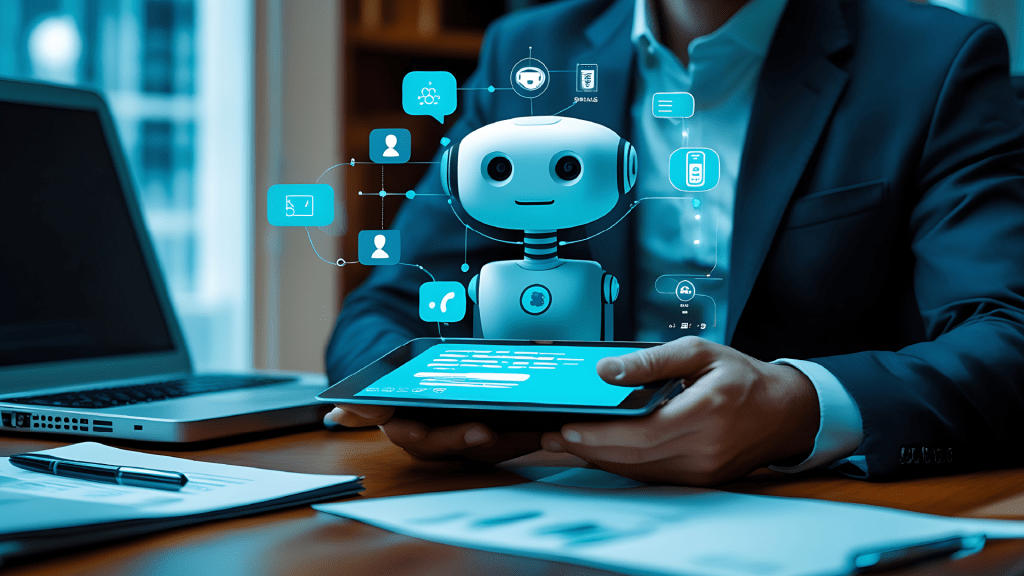
AI-powered personalized learning is reshaping workforce development at a scale never seen before, blending the precision of data analytics with the dynamism of human-centric training. No longer a buzzword reserved for tech forums, AI-driven learning is now at the heart of leading organizations’ talent development, enabling companies to future-proof their workforce, drive engagement, and create agile, resilient teams. Drawing from industry research, cutting-edge whitepapers, and global enterprise case studies, this blog explores the depth and direction of this transformation.
Why Traditional Training No Longer Matches Modern Needs
The corporate world has outgrown traditional, one-size-fits-all training models. These approaches, grounded in static content delivery and inflexible curricula, struggle to address the staggering diversity in employee roles, skill levels, and learning preferences. Disengagement and underutilized talent are rife in organizations that stubbornly hold onto outdated training methodologies. As technology evolves and job requirements change, the gap between the pace of learning and the pace of business widens, leaving many companies exposed to skill shortages and slow growth.
The AI-Powered Paradigm Shift in L&D
Generative AI and machine learning are rewriting the rules of workforce training by:
- Continuously assessing workforce skills and identifying gaps through automated data collection
- Adapting learning paths to the needs and progress of each employee, creating a dynamic, individualized experience
- Providing instant feedback to learners, supporting a just-in-time, always-on learning culture
Instead of sitting through generic lessons, employees receive curated content, interactive scenarios, and recommendations that fit their unique roles, career ambitions, and skill gaps.
Real-World Impact: From Productivity Gains to Employee Retention
Also Read: The Rise of AI Interviewer for Equitable Hiring in 2025 and Beyond
Leading enterprises adopting AI-driven learning solutions report:
- Up to 40% reduction in time-to-proficiency as adaptive learning accelerates upskilling
- Significant improvements in employee engagement, with participation in training programs rising above 70% in some organizations, compared to industry averages of around 35% with generic methods
- Higher information retention, with micro-learning and personalized pathways achieving recall rates upwards of 76%
- Enhanced diversity and equity in upskilling, as learning accessibility is boosted through flexible formats and AI-powered translation for global workforces
Case studies from Johnson & Johnson, Bank of America, and DHL highlight tangible business outcomes, including improved succession planning, internal mobility, and substantial reductions in training costs.
The Building Blocks of AI-Powered Personalized Learning
Skill Gap Analysis: AI’s first step is to diagnose workforce strengths, weaknesses, and aspirations. It analyzes data from performance reviews, assessments, and behavioral feedback to create a live competency map.
Adaptive Content Delivery: Unlike static modules, AI systems adjust content type, complexity, and format—be it simulations, gamified quizzes, or explainer videos—to best match individual learning styles and work contexts.
Intelligent Feedback Loops: AI-powered feedback offers learners actionable suggestions, points out misconceptions, and even enables them to practice soft skills like communication and negotiation through simulations with virtual coaches.
Automated Content Curation: AI algorithms scan thousands of internal and external resources to push the most relevant learning materials, helping employees keep pace with real-time changes in role requirements and industry trends.
Personalized Career Pathing: Modern platforms actively suggest new skills, certifications, and future job roles, enabling employees to pursue targeted, self-driven growth.
Inclusion, Engagement and Global Access
AI’s impact on learning goes beyond efficiency. It personalizes the experience for neurodiverse employees and those with accessibility needs, with real-time voice-to-text, adaptive testing, and pace control. Translation engines democratize learning, delivering the same high-quality program across languages and regions, and virtual mentors/emotional intelligence tools build social capital within hybrid teams.
Gamification, Microlearning, and Beyond
AI integrates gamification into learning, making even compliance and technical training engaging through points, badges, and leaderboards. Microlearning, powered by AI, breaks content into digestible bits, allowing employees to learn in five-minute sprints during their day—a proven strategy for information retention and engagement.
The Evolving Role of HR and L&D
AI isn’t just a tool—it is a catalyst transforming HR’s role from content creator to strategic talent architect. People analytics are now a core part of learning strategies, enabling HR leaders to test, measure, and optimize programs based on real business outcomes like productivity, retention, and innovation.
Also Read: Are Employees Prepared for AI at Work by the End of 2025?
Balancing Automation with Ethics and Empathy
AI adoption brings risks, data privacy, ethical use, algorithmic bias, and the potential loss of human connection. The most successful organizations prioritize transparency, involving employees in platform rollouts, and using AI to complement, not replace, human mentors and team interaction.
Future Trends: Towards a Fully Adaptive, Predictive Workforce
Looking forward, AI in workforce development will:
- Expand predictive analytics for identifying future skill needs
- Integrate even tighter with performance management, wellness, and talent mobility systems
- Use VR and AR for immersive, scenario-based learning, especially in safety-critical and crisis management domains
Final Thoughts: Strategic Differentiation Starts With People
AI-powered personalized learning is no longer a distant vision. It is a business-critical reality for organizations seeking agility and resilience in a rapidly changing world. Companies that use AI to unlock each employee’s full potential are better equipped to weather disruption, lead in innovation, and maintain a reputation as talent magnets.
As these trends accelerate, the imperative is clear: invest in AI-driven learning strategies that are adaptive, empathetic, and deeply integrated with business and human goals. The future of workforce development is personalized, data-driven, and, above all, human at heart.


